The Science of Glass Packaging: Elevating Your Brand Using Sustainable Glass Bottles
The science of glass packaging provides brands with an exceptional opportunity for distinction. By embracing sustainable methods, glass article bottles not only enhance visual appeal but also align with eco-conscious consumer values. Their intrinsic properties, such as recyclability and chemical inertness, demonstrate a steadfast commitment to excellence. As organizations traverse this shifting terrain, grasping the diverse advantages and obstacles of glass packaging is critical for sustained growth. What innovative strategies are brands employing to maximize these advantages?
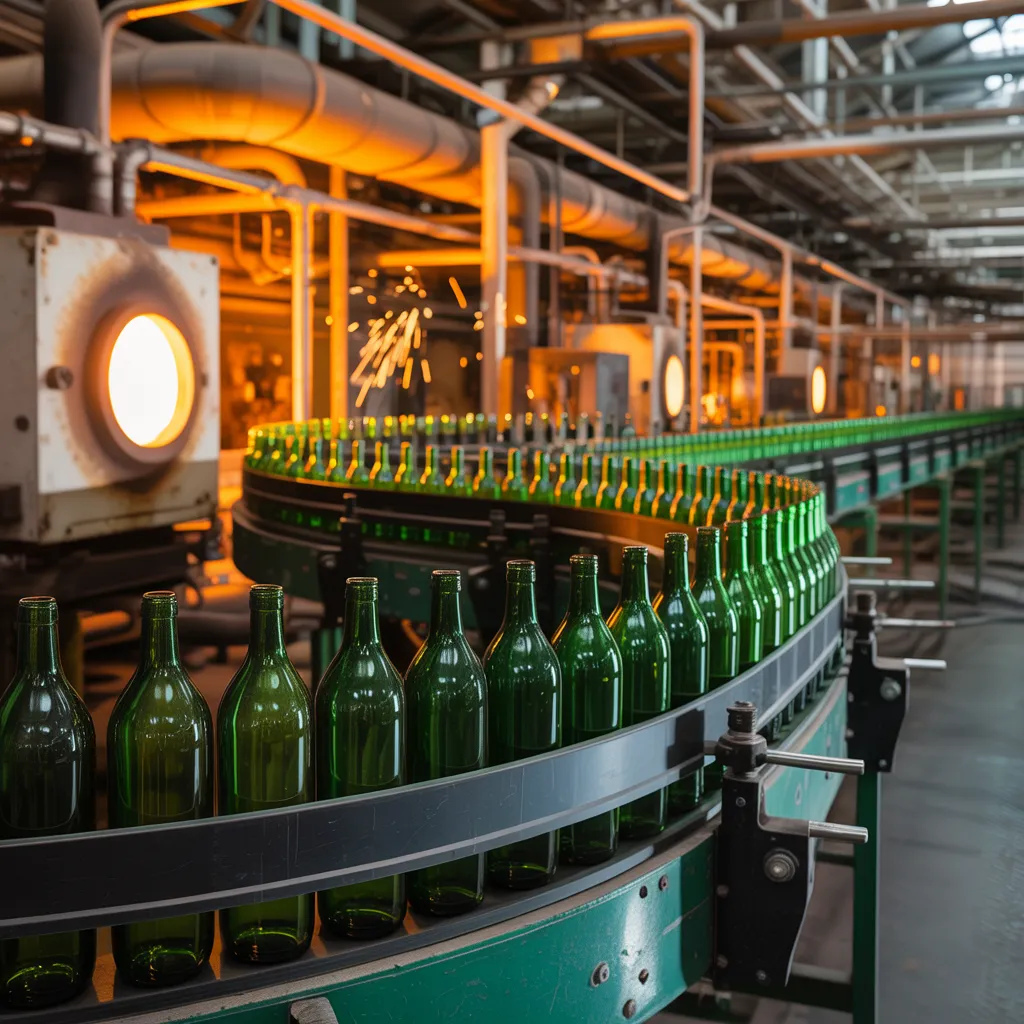
Why Choose Glass Packaging for Your Brand
Selecting glass as a packaging material can considerably elevate a brand's overall perception and environmental initiatives. Companies that choose glass packaging demonstrate a commitment to quality and high-end consumer experiences, attracting selective buyers who value both visual and practical qualities. Glass delivers a timeless and elegant appearance, contributing to a brand's visual identity while offering a tactile experience that plastic cannot match.
Additionally, glass packaging conveys an impression of cleanliness and security, as it is uncontaminated by toxic substances commonly present in plastic materials. This selection can engage green-conscious customers who associate glass with responsible practices. Moreover, its robust construction supports reuse, additionally affirming a brand's devotion to sustainable principles.
In a marketplace growing more conscious of sustainability, choosing glass packaging can differentiate a brand cultivating lasting loyalty and boosting customer confidence. In the end, this calculated move establishes brands as frontrunners in eco-conscious innovation and quality, aligning with the values of today's consumers.
The Environmental Advantages of Glass Bottles
Glass bottles offer considerable ecological advantages that set them apart from alternative packaging options. They are completely recyclable, promoting a sustainable economy where materials can be reused indefinitely without degradation in quality. This quality considerably decreases the demand for raw materials, consequently limiting natural resource extraction and energy usage linked to the production process.
In addition, glass packaging is non-reactive, meaning it does not release toxic substances into its stored materials, ensuring safer consumption. In contrast to plastic, glass does not promote microplastic pollution, which is a mounting environmental issue.
The production of glass bottles similarly results in lower greenhouse gas emissions when compared to plastic. As manufacturing processes have advanced, energy efficiency has significantly improved, further reducing the carbon footprint associated with glass production.
Unique Designs That Transform Glass Packaging
Creative designs in glass containers are reshaping how items are presented. Unique shapes and structures not only boost practicality but also attract consumer attention. Additionally, striking color combinations further elevate the aesthetic appeal, making glass containers rise above the competition on display.
Unique Shapes and Structures
Groundbreaking concepts in glass packaging not only elevate the overall look but also fulfill an important purpose in establishing brand uniqueness. Distinctive forms and designs can generate lasting impressions on consumers, helping products distinguish themselves on crowded shelves. For instance, non-symmetrical bottles or structured geometric forms can spark interest and invite engagement. These unconventional forms often reflect a brand's personality, reinforcing its message and values. Additionally, original designs can boost practicality, including better grip or improved dispensing. Brands that invest in creative glass designs demonstrate dedication to excellence and environmental responsibility, engaging environmentally responsible shoppers. Through emphasizing creativity in their packaging choices, organizations can develop more profound ties with their target market, thereby boosting brand loyalty and expanding market visibility.
Captivating Color Palettes
Vibrant color palettes serve a vital function in enhancing glass packaging, transforming ordinary bottles into enchanting visual statements. Through the thoughtful application of carefully selected colors, companies can stir feelings and craft lasting impressions for customers. Vivid hues can communicate exceptional value, while softer tones may convey delicacy and sophistication.
Moreover, the application of gradients and multi-toned designs adds depth and intrigue, commanding attention on competitive shelves. Eco-conscious practices additionally boost the appeal; sustainable dyes and finishes appeal to environmentally aware consumers. In the end, the perfect color palette not only embodies a brand's character but also strengthens its dedication to sustainability, positioning glass packaging as a compelling differentiator in a competitive marketplace.
What Role Does Glass Packaging Play in Enhancing Product Perception?
Glass packaging notably improves product perception via its upscale feel and visual appeal, creating a sense of luxury for consumers. The visual transparency and clarity of glass provide a clear and unimpeded view of the contents, further reinforcing quality. Additionally, using glass aligns with eco-friendly brand positioning, attracting consumers who prioritize environmental responsibility.
Outstanding Feel And Appeal
The use of glass packaging considerably boosts the recognized quality of a product, often associating it with quality and refinement. Consumers frequently associate glass with luxury, contributing to stronger brand dedication and rewarding buyer experiences. The sensory quality of glass, with its smooth texture and weight, establishes a premium feel that plastic fails to reproduce. This tactile interaction builds a relationship between the product and the consumer, fostering a perception of excellence. Moreover, glass packaging conveys a commitment to sustainability, resonating with environmentally-conscious buyers. As a result, brands utilizing glass can position themselves as premium options within their markets, appealing to thoughtful consumers who prioritize both visual appeal and responsible practices in their buying choices.
Visual Clearness And Transparency
When shoppers come across products in glass containers, their experience is commonly improved by the natural visual openness and clearness it offers. This clarity permits interested shoppers to observe the item inside, building a feeling of confidence and genuineness. The transparency of glass not only displays the product's excellence but also emphasizes its hue and texture, boosting aesthetic attractiveness. Furthermore, the lack of label obstructions on transparent glass lets the product become the focal point, creating a more engaging shopping experience. Glass packaging can elevate brand perception by conveying a commitment to quality and craftsmanship. This transparency ultimately shapes buyer choices, promoting a more profound personal relationship with the item and the brand.
Sustainable Brand Positioning
Environmentally aware brands employ glass containers to reinforce their commitment to sustainability, meaningfully improving the way consumers view their products. Glass communicates an impression of quality and refinement, setting a higher standard compared to plastic alternatives. This medium not only highlights the environmental principles of a brand but also appeals to consumers who prioritize environmentally responsible choices. The physical sensation of glass—its heft and feel—additionally enhances the perceived worth of the product. Additionally, the recyclability of glass aligns with the growing consumer demand for sustainable practices, strengthening consumer allegiance. By opting for glass, brands not only demonstrate their commitment to ecological responsibility but also position their products as premium offerings, consequently developing a distinguished presence in a competitive industry.
Examples of Brands Thriving With Glass Packaging
A growing number of businesses are flourishing by transitioning to glass packaging, highlighting its attractiveness to buyers and pledge to sustainable practices. As an example, a prominent beverage company shifted to glass bottles, leading to a 30% rise in sales within a year. The switch not only enhanced product visibility on shelves but also appealed to eco-conscious consumers, reinforcing the brand's sustainability message.
One other cosmetic company successfully changed to glass packaging, greatly elevating its luxury brand perception. This shift attracted a committed following that values both visual appeal and eco-conscious practices. Moreover, a specialty beer manufacturer embraced reusable glass containers, building brand loyalty while minimizing waste. These case studies illustrate that glass solutions not only satisfy market needs for environmentally responsible choices but also reinforces brand value and industry presence. Such thoughtful selections underscore an expanding movement among brands aiming to integrate eco-friendly values into their processes while attracting today's environmentally aware shoppers.
How to Tackle Challenges in Glass Packaging
Navigating the difficulties of glass packaging necessitates creative approaches and a keen understanding of the market. Companies often face obstacles such as high production costs, weight concerns, and fragility. To address these, organizations can invest in innovative fabrication processes that reduce waste and enhance durability. Collaborating with suppliers to procure eco-friendly materials also mitigates ecological footprint while attracting sustainability-minded consumers.
An additional obstacle is the logistics of transportation, considering the substantial weight of glass. Implementing smart logistics solutions, such as refined shipping techniques and innovative packaging designs, can help minimize costs and guarantee product safety during transit. Moreover, educating consumers on the benefits of glass over plastic can foster brand loyalty and drive demand. By embracing these strategies, organizations can address hurdles in glass packaging and position themselves as leaders in sustainable practices, ultimately enhancing their brand image and market presence.
Future Trends in Sustainable Glass Packaging
As the need for eco-friendly packaging keeps growing, the glass packaging industry is on the brink of significant transformation. Advancements in production methods are anticipated to improve energy performance, reducing the carbon footprint associated with glass production. Moreover, the integration of lightweight glass bottles will establish itself as a major trend, decreasing transportation emissions while maintaining product integrity.
Recycling initiatives will become more robust, with greater cooperation between industry leaders and civic authorities to improve glass collection and processing. Moreover, the incorporation of intelligent technology within packaging will allow for greater transparency in the supply chain, enabling brands to showcase their sustainability efforts effectively.
The rising consumer appetite for environmentally conscious products will continue to fuel the growth of tailored, visually appealing designs, combining utility with striking visual elements. As companies increasingly embrace sustainable practices, the glass packaging sector is set to redefine its approach, aligning with broader environmental goals and meeting the expectations of a conscientious consumer base.
Frequently Asked Questions
What Are the Expenses Linked to Glass Packaging Versus Plastic?
Glass packaging typically carries higher costs as a result of production, distribution, and recycling demands compared to plastic. However, it provides environmental advantages and improved brand image, making it a worthwhile investment for certain companies.
What Are My Options for Customizing Glass Bottles for My Brand?
Brands can customize glass containers with original forms, tones, and surface treatments. Custom labels, engravings, and printed artwork elevate brand image. Working alongside vendors secures consistency with sustainability goals while maintaining both appearance and performance.
Are There Particular Rules Governing Glass Packaging?
Yes, specific regulations for glass packaging exist, distinct to each region. These cover safety standards, labeling requirements, and recycling guidelines, safeguarding consumer safety and environmental responsibility while encouraging sustainable practices in packaging manufacturing and distribution.
What Are the Best Practices for Recycling Glass Bottles?
When recycling glass bottles properly, residents should clean them out to eliminate any residue, remove lids, and separate them by color. In addition, they should consult local recycling guidelines for proper protocols and collection points to make certain they are processed appropriately.
How Does Glass Packaging Impact Shipping and Logistics?
Glass packaging considerably affects shipping operations and logistics by introducing increased weight and fragility, necessitating careful handling and specialized transportation. This often leads to increased expenses and more complicated supply chain operations when compared to lighter and more resilient materials.
Comments on “glass packaging products”